August 10, 2026
Home entertainment is evolving rapidly, and wireless technology is changing how people approach home theater installation. Modern homeowners increasingly want immersive audio and video without the clutter, limitations, and complexity associated with extensive cabling. Wireless systems offer a cleaner appearance, greater flexibility, and easier integration with connected-home technology.
As wireless transmission continues to improve, homeowners can create sophisticated entertainment spaces that balance performance, convenience, and design. Whether the goal is a dedicated theater room or a flexible living-room setup, home theater installation is becoming more adaptable to individual spaces and lifestyles. This shift reflects broader consumer demand for technology that works seamlessly without overwhelming the home.
Beyond convenience, wireless solutions can support a more personalized entertainment experience. Homeowners can select equipment based on their room, listening preferences, décor, and smart-home needs rather than designing the entire space around cable routes. This combination of flexibility and functionality is helping wireless technology become an increasingly practical choice for modern entertainment environments.
Explore the Evolution of Wireless Home Theater
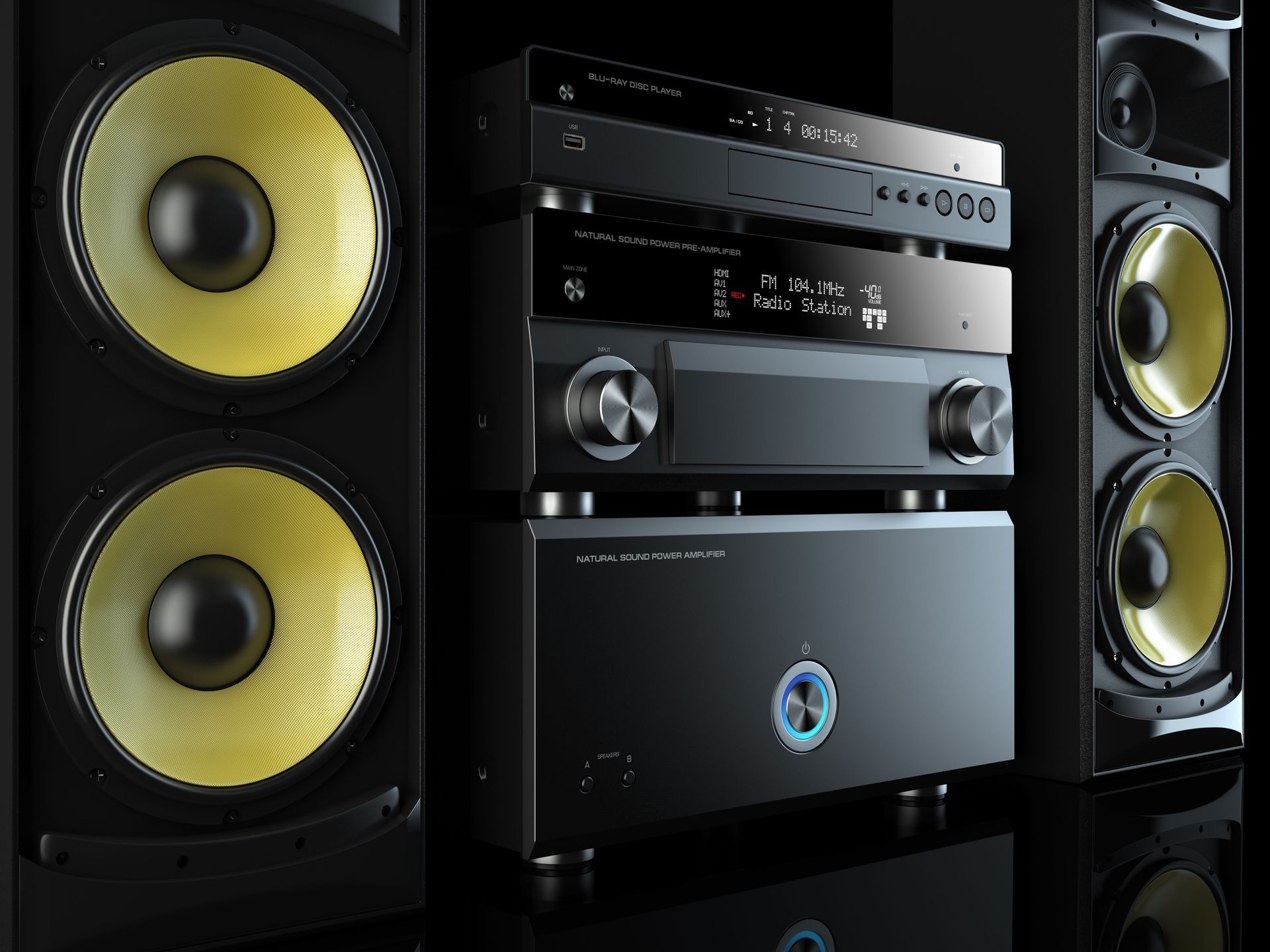
Home theaters originally relied heavily on wired connections. Speakers, displays, receivers, and other components had to be physically connected, often requiring careful planning and extensive cable management. While these systems could deliver impressive performance, the installation process could be complicated and restrictive.
The arrival and advancement of technologies such as Wi-Fi and Bluetooth created new possibilities. Wireless audio and streaming became increasingly practical as transmission quality improved. At the same time, the growth of smart-home technology encouraged manufacturers to create entertainment systems that could communicate with other connected devices.
According to Mordor Intelligence, wired installations represented 61.20% of the home theater systems market size in 2025, while wireless configurations are expected to experience the strongest growth at a 14.62% CAGR through 2031. This trend highlights the continuing importance of wired solutions while showing the growing momentum behind wireless technology.
Modern home theater installation can now incorporate wireless speakers, streaming devices, smart controls, and high-quality displays into a cohesive entertainment environment. Advancements in audio codecs, wireless connectivity, and display technology are also helping narrow the performance gap that once made wired systems the obvious choice for demanding users.
Improve Comfort Through Wireless Design
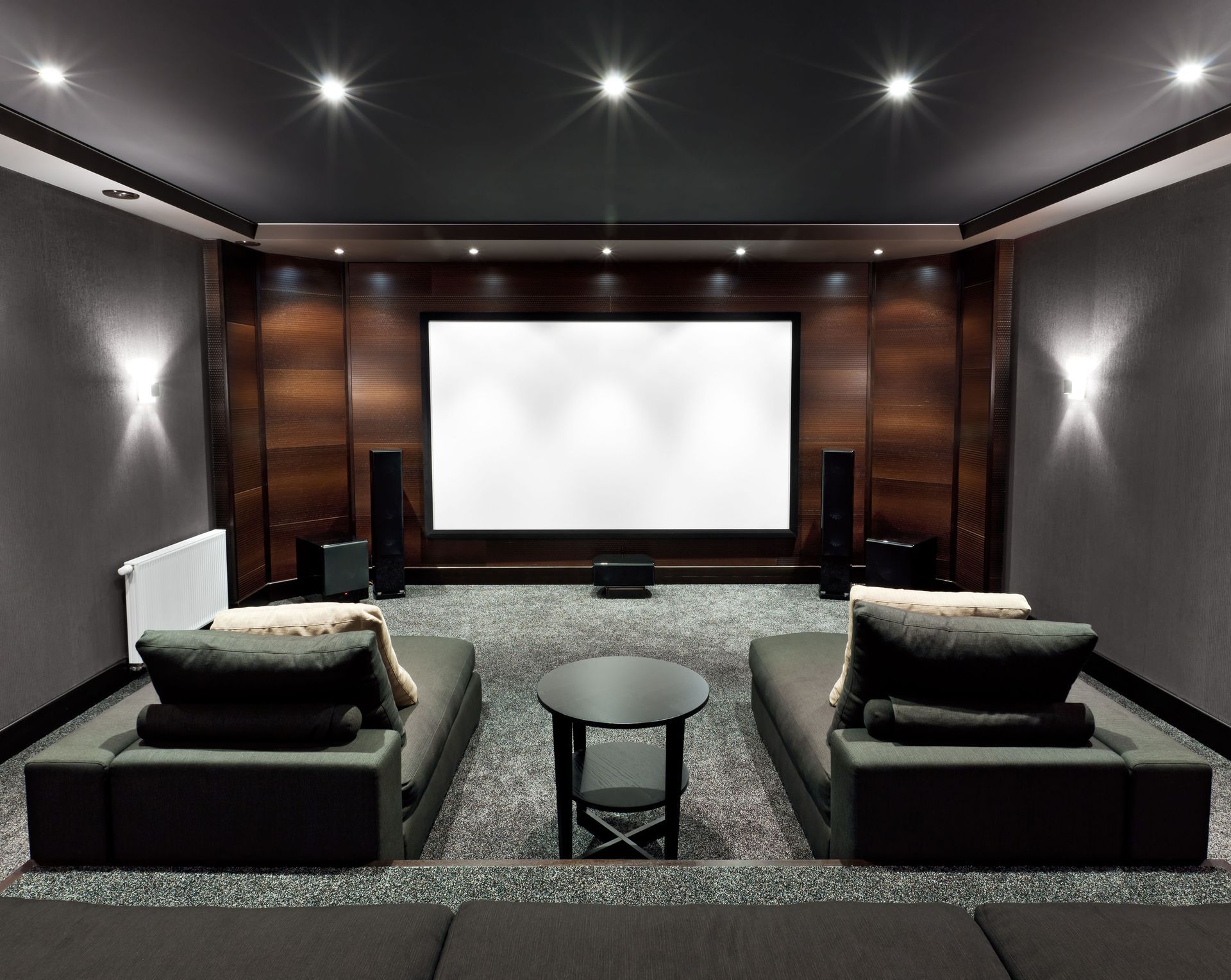
One of the most noticeable benefits of wireless home theater installation is a cleaner and more organized environment. Without extensive visible cabling, homeowners have greater freedom to arrange furniture, speakers, and entertainment components according to the room rather than cable-routing requirements.
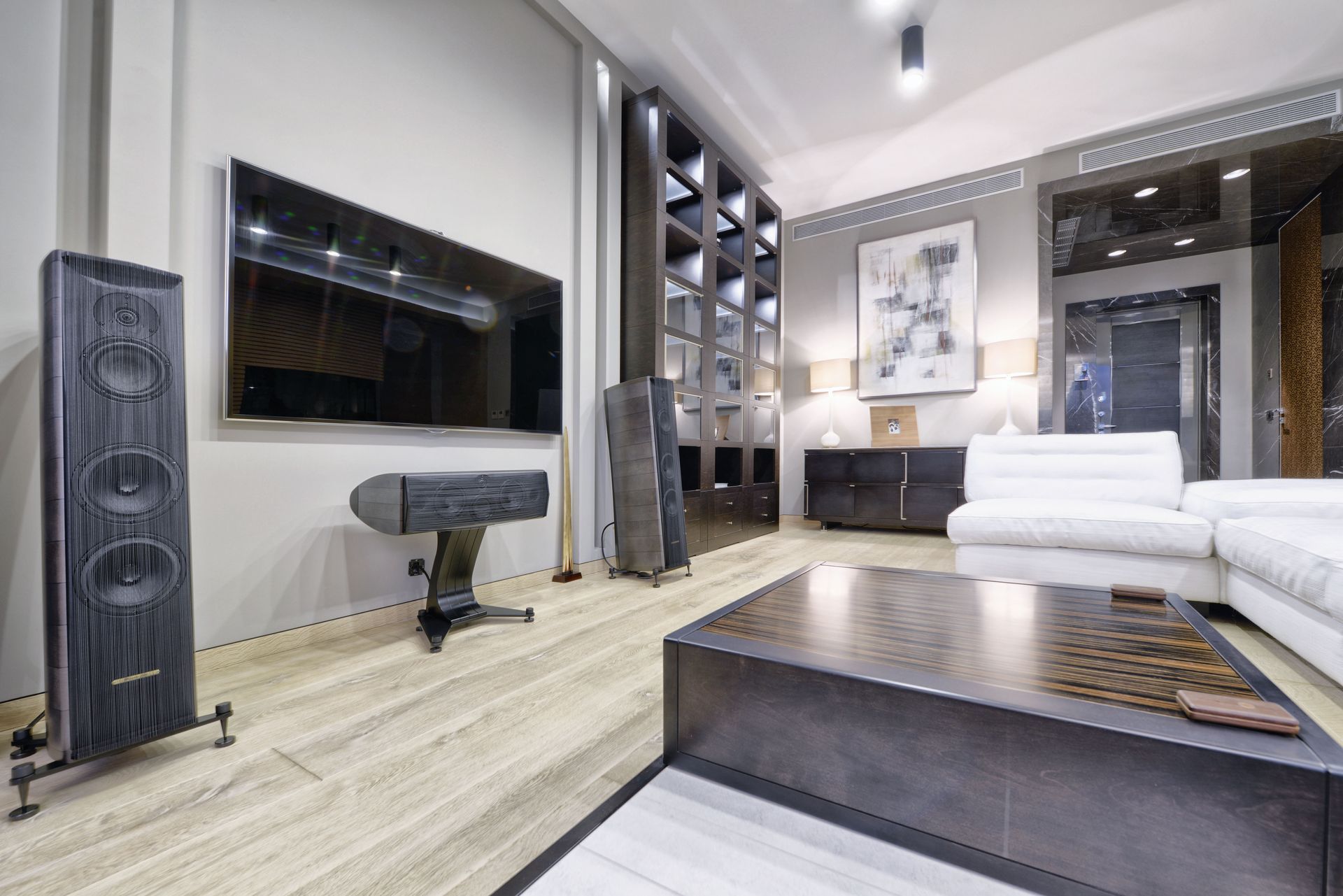
This flexibility can be particularly useful in open living spaces where an entertainment system must complement the surrounding décor. Wireless components can help create a minimalist appearance while keeping the focus on the screen, seating, and overall atmosphere.
Wireless home theater installation can also simplify changes to the room. Homeowners can reposition compatible speakers or adjust components without having to redesign cable paths. This makes wireless systems appealing to people who frequently rearrange their living spaces or want an entertainment setup that can evolve with their needs.
Another advantage is integration. Wireless systems can connect with smart lighting, voice assistants, streaming platforms, and other connected-home features. With the right configuration, homeowners can control multiple elements of the entertainment experience through a unified interface, making home theater installation more convenient and approachable.
Wireless design can also contribute to a more comfortable room by reducing visual distractions. When equipment blends naturally into the surrounding environment, the entertainment area can feel less technical and more inviting. This is especially valuable when the theater shares space with everyday living areas.
Enhance Sound and Speaker Placement
Wireless technology can also provide greater freedom when positioning speakers. Traditional cabling can influence where speakers are placed, particularly when routing wires through walls, ceilings, or finished spaces. Wireless options reduce those limitations and can make it easier to position speakers according to the room's layout and acoustic characteristics.
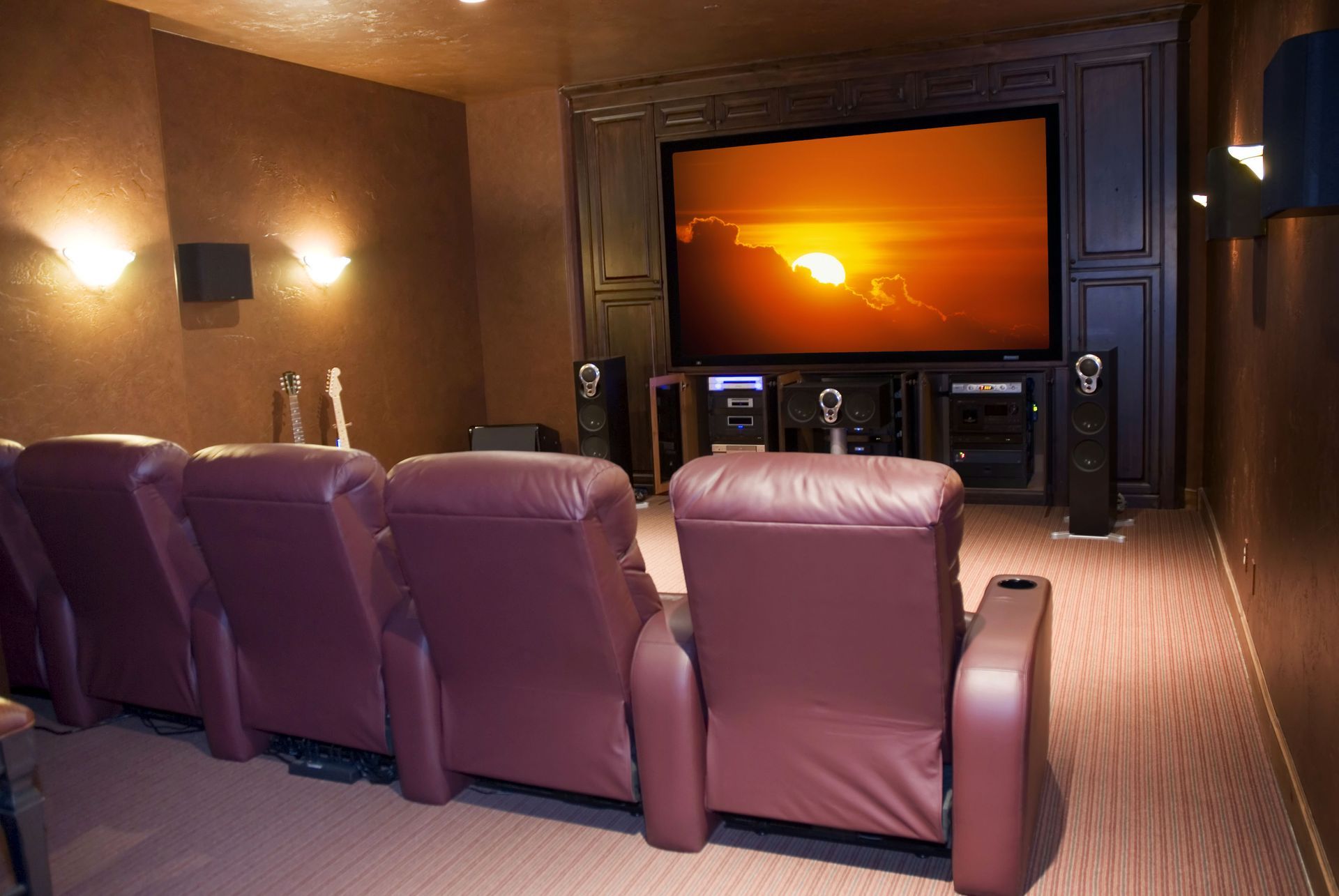
Proper speaker placement remains important regardless of whether a system is wired or wireless. A thoughtful home theater installation considers seating position, room dimensions, reflective surfaces, and the desired listening experience. Wireless connectivity simply gives homeowners more flexibility when determining where compatible components should go.
Modern audio systems can also use calibration technologies to adjust sound according to the environment. These features can help create a more balanced listening experience while reducing the need for extensive manual adjustments.
For homeowners interested in immersive entertainment, wireless technology can support sophisticated audio experiences while maintaining a clean visual appearance. When paired with appropriate equipment and thoughtful planning, home theater installation can deliver both strong performance and an uncluttered room.
Address Wireless Connectivity Challenges
Wireless systems are not without challenges. Connectivity can be affected by interference, network congestion, physical barriers, or the configuration of a home's existing network. A poorly planned setup may result in inconsistent performance, interruptions, or difficulty keeping devices connected.
A successful home theater installation should therefore account for the home's network environment before equipment is selected and positioned. Reliable networking equipment, appropriate placement, and careful configuration can help create a more stable connection.
Wireless range can also become a consideration in larger or unusually designed spaces. In some situations, network-extending solutions may help provide stronger coverage where it is needed. Professional planning can be particularly valuable when multiple wireless components must work together reliably.
Another consideration is compatibility. Not every component communicates using the same technology or standards. A well-planned home theater installation should ensure that the selected equipment can work together and support the features the homeowner expects.
These considerations do not eliminate the advantages of wireless systems, but they demonstrate why thoughtful planning matters. Choosing equipment based solely on appearance or convenience can create avoidable problems. A properly designed system balances aesthetics, performance, compatibility, and network reliability.
Plan a Future-Ready Entertainment Space
The appeal of wireless home theater installation extends beyond eliminating cables. Wireless systems can make entertainment spaces easier to adapt as technology and household preferences change. Components can often be replaced, repositioned, or expanded without completely redesigning the room.
This adaptability is especially useful as smart-home technology continues to develop. Homeowners increasingly expect entertainment systems to work alongside lighting, climate controls, voice assistants, and other connected technologies. Wireless connectivity helps create the foundation for these integrated experiences.
Professional planning can further improve the results. A qualified installer can evaluate the room, recommend compatible equipment, consider acoustic requirements, and design a setup that fits both the space and the homeowner's goals. This approach can make home theater installation more efficient while reducing the likelihood of connectivity or placement problems.
Wireless technology does not necessarily mean sacrificing quality. With appropriate equipment and careful configuration, homeowners can create an immersive entertainment environment that combines convenience with sophisticated audio and visual performance.
A future-ready system should also leave room for changing entertainment habits. Streaming preferences, gaming equipment, smart-home platforms, and audio technologies can evolve. Building flexibility into the original home theater installation can make future changes easier and help the entertainment space remain useful as household needs develop.
The rise of wireless technology is reshaping the home entertainment experience. Cleaner aesthetics, flexible speaker placement, smart-home integration, and easier system changes have made wireless solutions increasingly attractive. At the same time, connectivity and compatibility considerations show why careful planning remains essential.
A well-designed home theater installation can bring together wireless convenience and high-quality entertainment while complementing the character of the home. As technology continues to advance, wireless systems are positioned to play an increasingly important role in how homeowners experience movies, music, gaming, and streaming. Ready to create a cleaner, smarter entertainment space? Contact Kazoo Audio today to start planning your home theater installation.