May 15, 2026
In the world of modern entertainment, a dedicated space for cinematic experiences has moved from a luxury niche to a standard expectation for many homeowners. Creating a private cinema involves much more than just unboxing a television and plugging in a soundbar. It requires a meticulous blend of acoustic engineering, visual calibration, and integrated control systems. While many enthusiasts attempt to manage these tasks independently, the complexity of modern audio and visual standards often makes the project overwhelming. Understanding the journey from an empty room to a fully realized entertainment hub helps clarify why this upgrade remains one of the most sought-after home improvements.
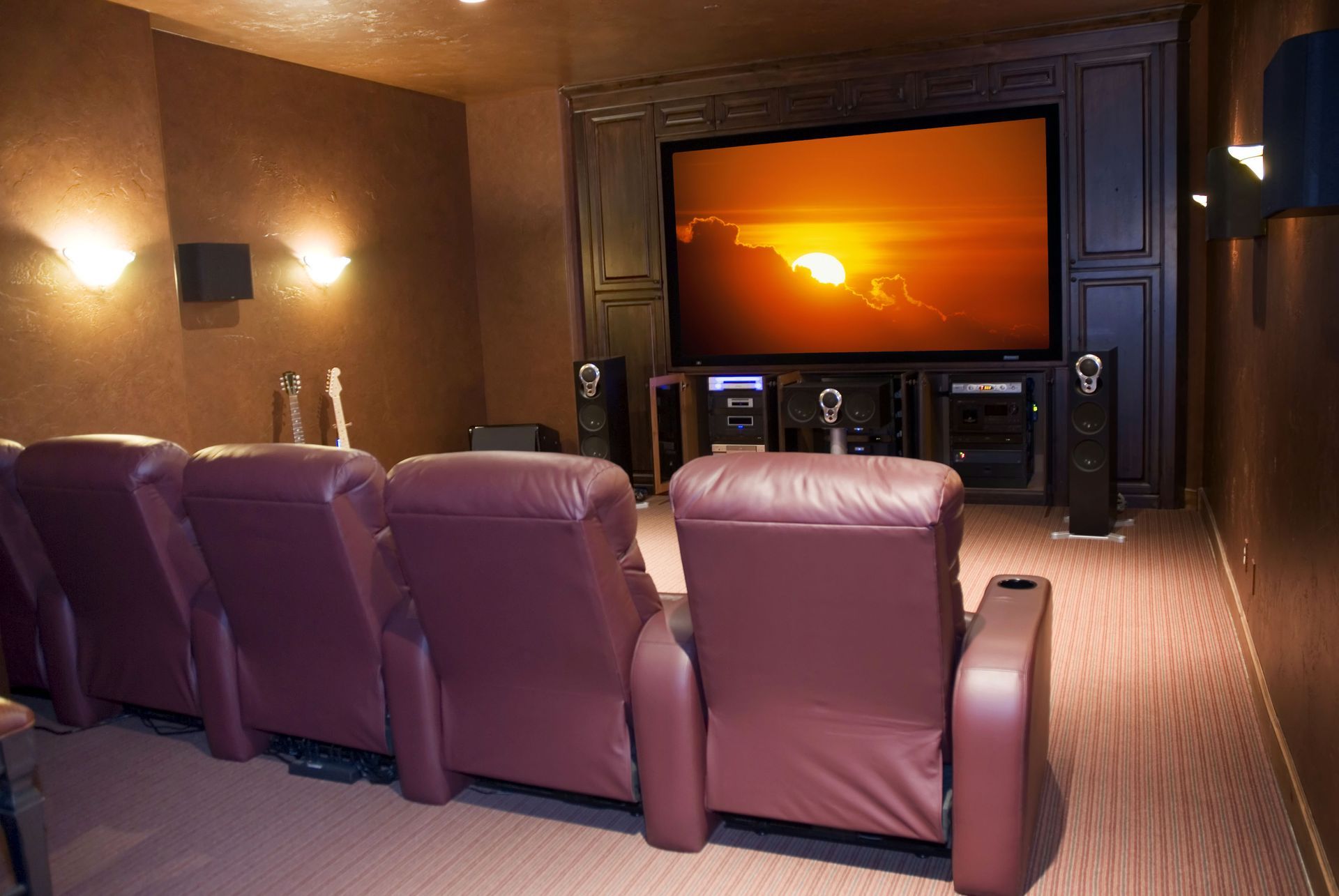
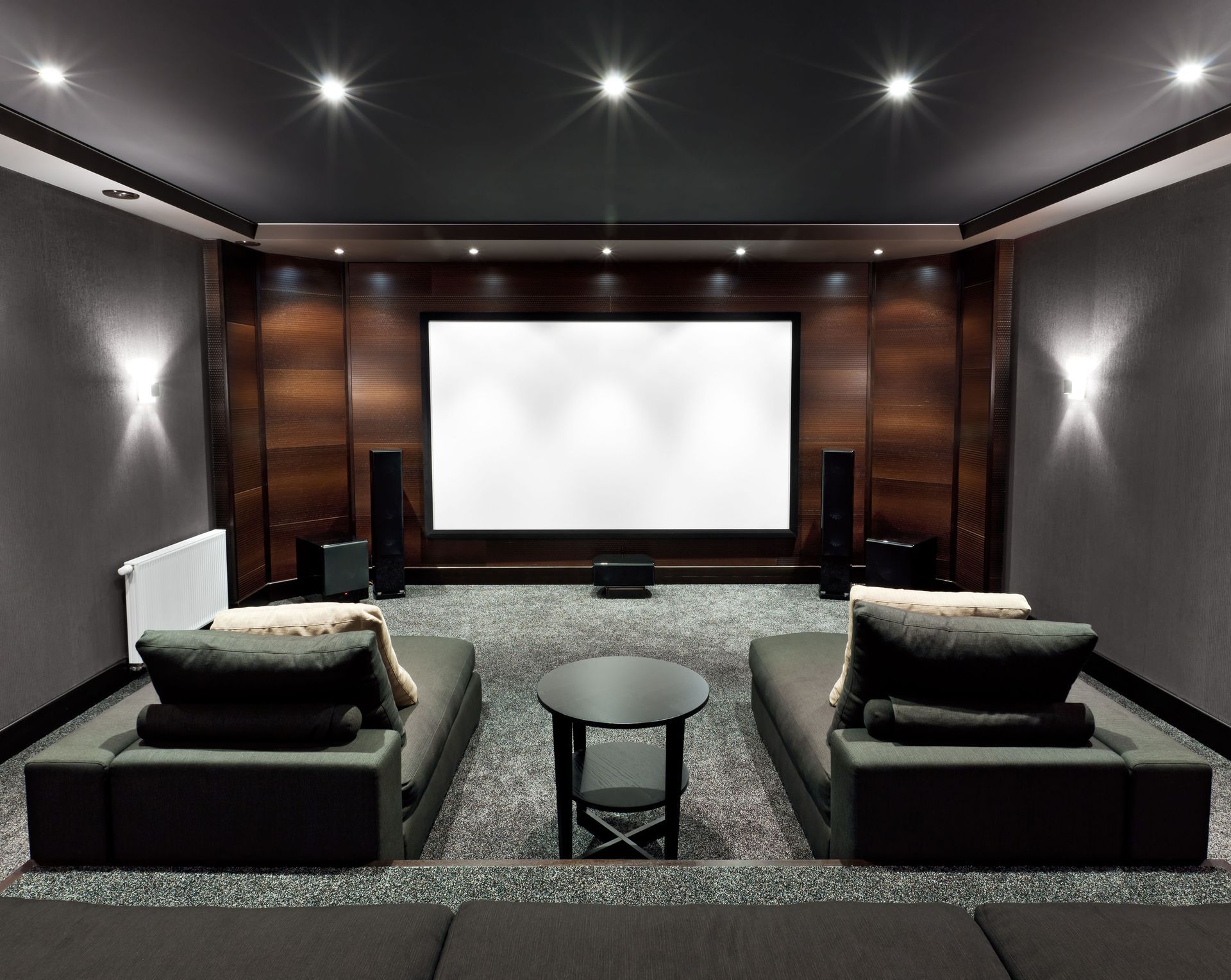
Building a sanctuary for film and music is an intricate dance between architecture and technology. Every decision made during the early stages of a project carries weight, influencing the final performance in ways that are often invisible to the untrained eye. For instance, the choice of flooring material can drastically alter the way bass frequencies resonate throughout the house. Similarly, the placement of seating in relation to the screen affects not just the view but the entire perceived scale of the cinematic image. A professional home theater installation accounts for these variables from the very beginning, ensuring that no detail is left to chance.
Assessing Your Unique Space
Every successful project begins with a deep analysis of the environment. Professionals look at the dimensions of the room, the height of the ceiling, and the placement of structural elements like windows or doors. Light control is a primary concern during this phase, as ambient light can wash out projected images or cause glare on high-definition panels. Installers also evaluate the existing electrical infrastructure to ensure the room can handle the power requirements of multiple amplifiers, processors, and playback devices. This initial stage sets the foundation for a home theater installation that performs reliably for years. Without a solid understanding of the physical environment, even the most expensive equipment will fail to reach its peak potential.
The architectural layout dictates the flow of energy and sound. If a room has many large windows, the installer must consider heavy motorized drapes or specialized screen materials that reject light from the sides. If the room is perfectly square, they must prepare for standing waves that can make the audio sound boomy or thin. These challenges are the reason why the planning phase is often the longest part of the process. Professionals use sophisticated modeling software to predict how sound and light will behave before a single hole is drilled into a wall. This predictive power is a hallmark of a high-quality home theater installation, saving the homeowner from costly mistakes and ensuring a result that exceeds expectations.
Planning the System Integration
Once the physical constraints are understood, the focus shifts to how the various components will communicate. A seamless experience requires that the projector, screen, speakers, and seating all work in harmony. This phase involves mapping out cable runs and identifying the best locations for equipment racks. Proper ventilation must be planned to prevent the hardware from overheating during extended viewing sessions. Heat is the enemy of electronics, and a poorly ventilated cabinet can lead to premature equipment failure.
- Establishing a dedicated power circuit to avoid electrical interference from kitchen appliances.
- Installing high-speed data lines for uninterrupted high-resolution streaming.
- Securing hidden wiring for a clean and professional aesthetic.
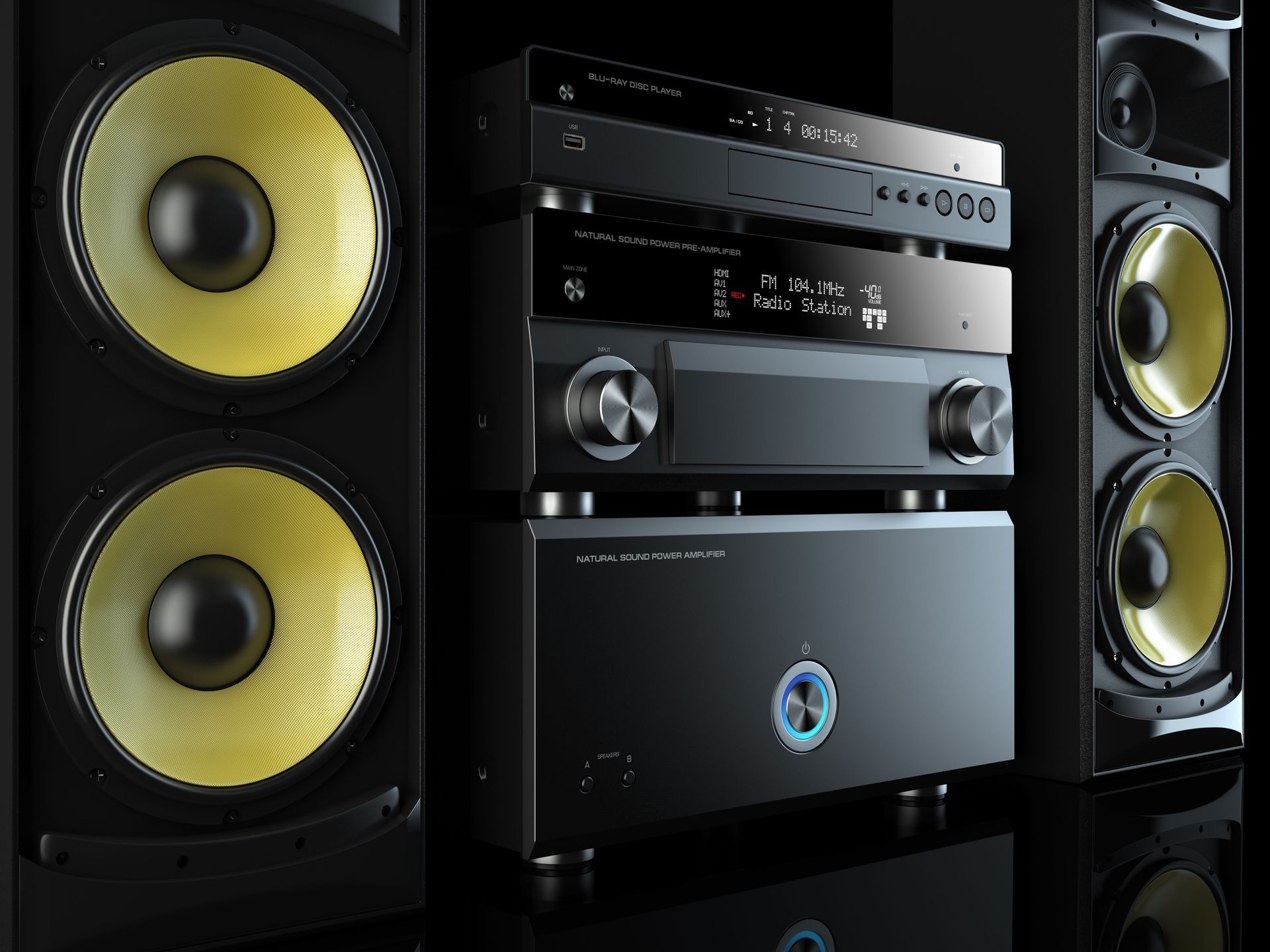
Integrating these systems requires a deep knowledge of signal paths and digital handshakes. When multiple devices from different manufacturers are expected to talk to one another, small software glitches can lead to massive headaches. A technician ensures that every component is updated with the latest firmware and that the high-definition signals are passing through the processors without any loss in quality. This technical vigilance is a key component of a successful home theater installation, providing the homeowner with a system that works perfectly every time they sit down to watch a movie.
Designing the Acoustic Environment
Audio is arguably more important than the visual element when it comes to immersion. Sound waves behave differently depending on the surfaces they strike. Hard floors and bare walls reflect sound, causing echoes that muddy the dialogue and distort the music. To combat this, installers use a mix of absorbent panels and diffusers to tune the room. They determine the ideal height and angle for every speaker in a multi-channel array. According to the CTA, nearly 70% of homeowners hiring AV upgrades prefer professional installation. This preference often stems from the need to balance complex audio formats like spatial sound with the specific physics of a residential room.
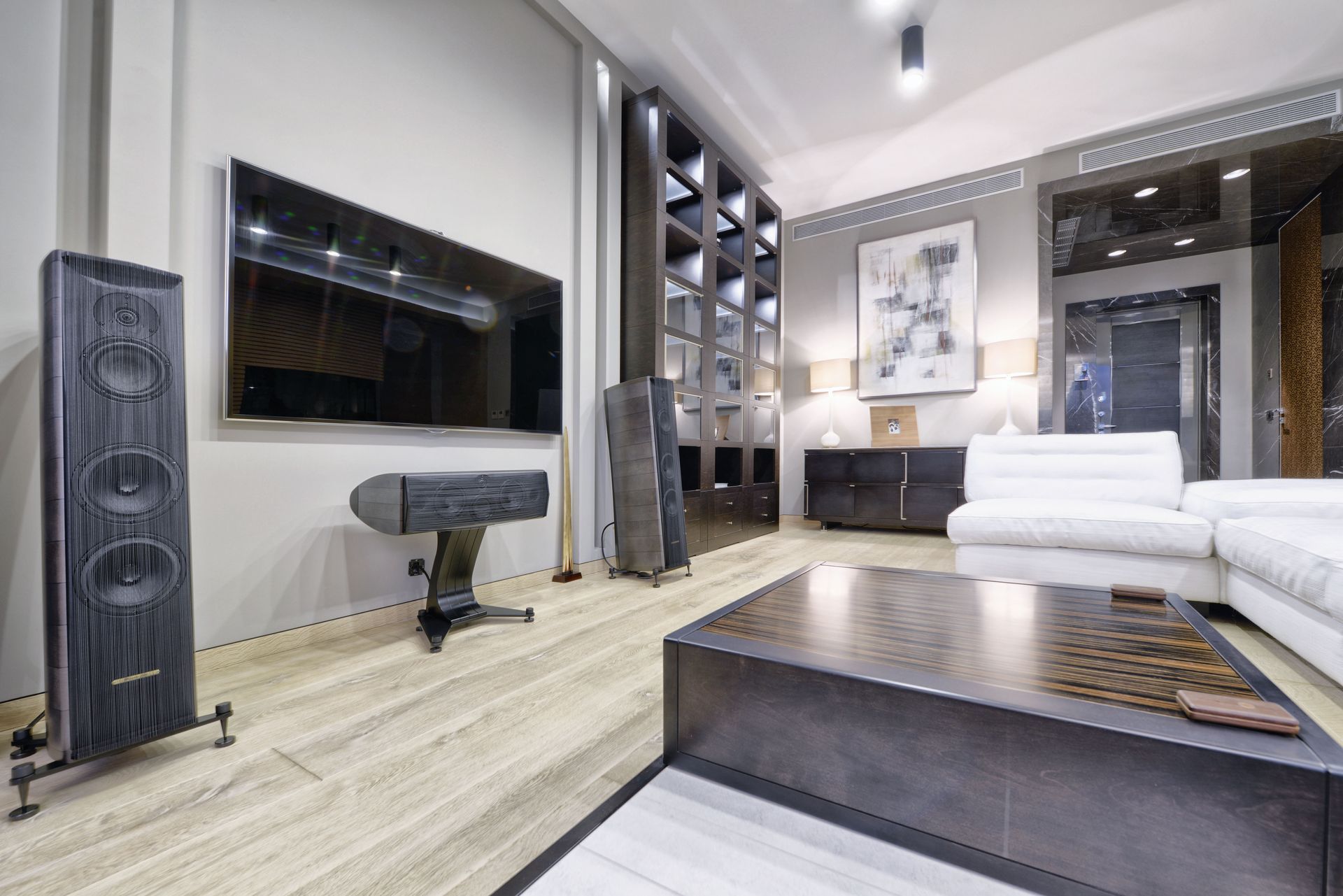
Proper acoustics involve more than just hanging a few panels on the wall. It requires a balance between absorption and diffusion to ensure the room does not feel muffled. A well-treated room allows the listener to hear the subtle nuances of a film score and the clarity of every spoken word, even during loud action sequences. The goal of a professional home theater installation is to make the speakers disappear, creating a soundstage that feels vast and three-dimensional. This attention to sonic detail is what separates a standard media room from a true private cinema experience that rivals the best commercial theaters.
Installing the Visual Component
The centerpiece of any cinema is the display. Whether choosing a massive laser projector or a large-format organic light-emitting diode screen, the placement must be perfect. Installers calculate the optimal viewing distance and height to prevent neck strain and ensure every seat in the house has a clear line of sight. They also perform a professional calibration to ensure colors are accurate and black levels are deep. Without this step, even the most expensive equipment might fail to deliver its full potential. A professional home theater installation guarantees that the picture quality matches the director’s original vision.
Calibrating the Audio Performance
After the physical components are in place, the system must be fine-tuned. This process involves using sensitive microphones and software to measure how sound moves through the space. The installer adjusts the timing, phase, and equalization of each speaker so that the sound reaches the listener’s ears simultaneously from all directions. This creates a cohesive soundstage where a helicopter flying overhead or a whisper in a corner feels physically present. This detailed calibration is a vital part of a professional home theater installation, transforming a collection of speakers into a unified sonic landscape that reacts perfectly to the on-screen action.
Managing The Final Controls
The final step in the journey is making the system easy to use. A room filled with high-end technology is useless if the owner cannot figure out how to turn it on. Installers program universal remotes or touch panels that consolidate all functions into a single interface. With one button, the lights dim, the screen lowers, and the movie starts.
The transition from a standard living room to a high-performance media suite is a journey of precision and expertise. Every cable, speaker, and pixel must be accounted for to create a truly immersive environment. While the equipment is the heart of the room, the expertise of the installer is the soul. By focusing on the details of the environment, the integrity of the signal, and the ease of use, you can ensure your investment provides endless hours of joy. For those ready to bring the magic of the movies into their own residence with expert home theater installation, contact our team at Kazoo Audio.