June 15, 2026
The global entertainment landscape has experienced a profound shift as advanced audio-visual environments move out of commercial cineplexes and directly into private and localized spaces. A high-performance home theater setup is no longer viewed as an unattainable luxury item reserved solely for elite estates; instead, it has become a fundamental component of modern residential architecture and premium hospitality services. This market acceleration is propelled by rapid innovations in display panel manufacturing, spatial sound engineering, and the absolute dominance of on-demand digital streaming networks.
As consumer demand for highly customized, cinema-quality experiences grows, multi-channel entertainment arrays are reshaping lifestyle habits and altering the financial dynamics of traditional hospitality venues. The choice between public moviegoing and tailored, intimate viewing environments has triggered a major redistribution of global market capital.
1. The Evolution of Entertainment Technology
The modern consumer media environment traces its origins to early twentieth-century film projectors and primitive monophonic acoustic systems. For decades, these complex setups required dedicated projection booths and technical maintenance, limiting ownership to wealthy enthusiasts. The market experienced its initial consumer expansion during the late 1980s and 1990s with the widespread adoption of Hi-Fi VHS tapes, LaserDisc players, and multi-channel matrix surround sound processors. These foundational formats allowed everyday households to experience media with heightened fidelity, sparking a cultural shift toward home-centered entertainment.
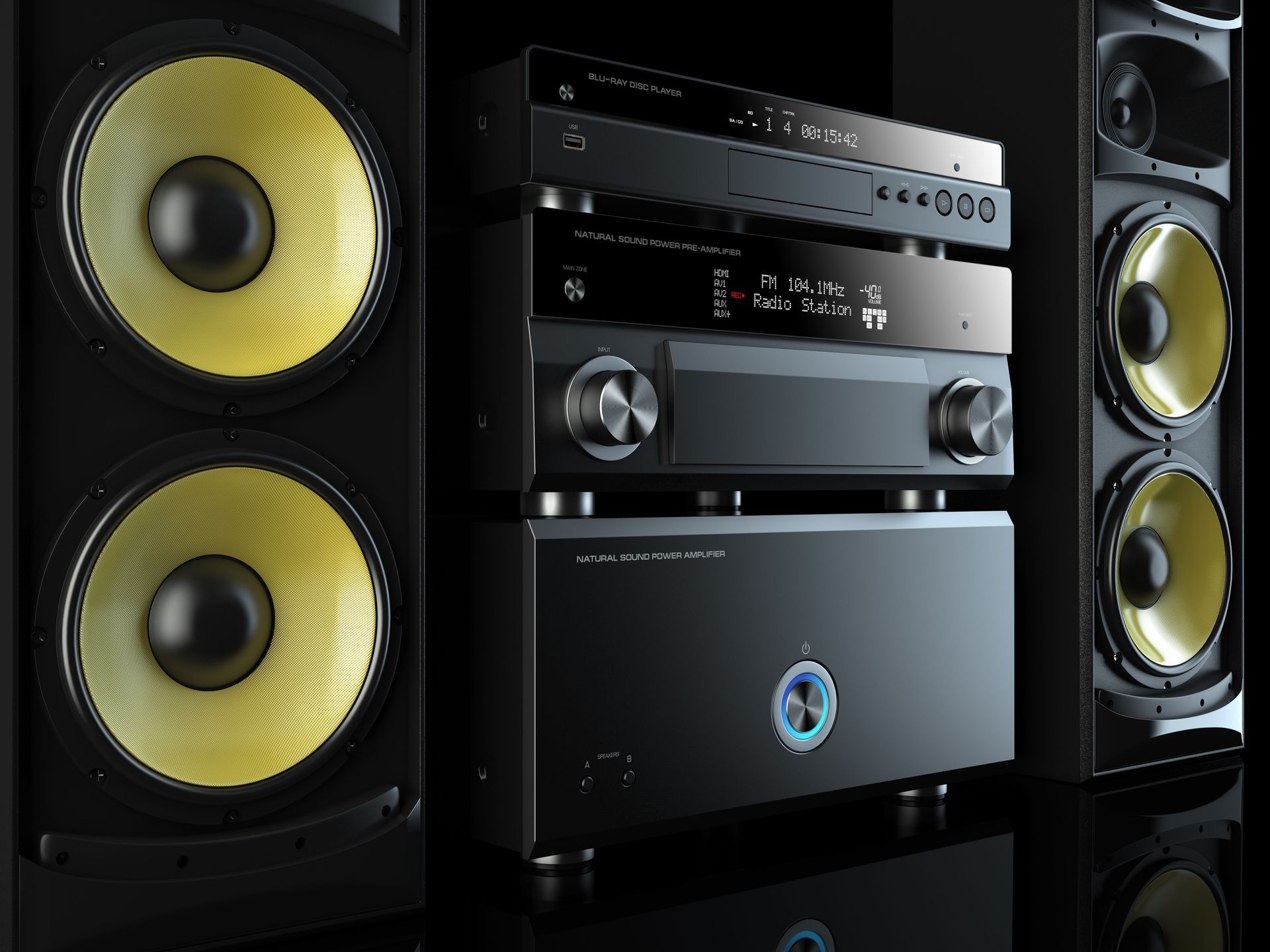
The subsequent transition from analog storage to high-bitrate digital formats fundamentally redefined consumer performance benchmarks. The introduction of the DVD and Blu-ray formats brought pristine, uncompressed video signals and discrete multi-channel audio tracks into the living room. This digital revolution eliminated analog signal degradation, allowing mid-range surround sound processors to deliver clear acoustics that rivaled aging commercial cinemas.
The Rise of 4K, Smart Ecosystems, and Future Media
Over the past decade, the rapid adoption of Ultra-High-Definition (4K) displays featuring Organic Light-Emitting Diode (OLED) and Quantum Dot (QLED) technology has completely transformed visual metrics. These screens deliver near-infinite contrast ratios and vibrant color ranges, enabling a modern home theater to render imagery with incredible clarity.
Simultaneously, the integration of these systems into Internet of Things (IoT) smart home automation hubs allows users to coordinate architectural lighting, motorized shading, and multi-zone sound distribution through single voice commands or automated software triggers. Looking ahead, the integration of artificial intelligence (AI) room calibration algorithms promises to automatically tailor equalization curves to match unique room layouts, while virtual and augmented reality frameworks look to expand the boundaries of sensory immersion.
2. Market Dynamics: Residential vs. Hospitality
The overarching financial trajectory of the acoustic and display industry is governed by a fascinating tension between private residential consumers and commercial hospitality developers. According to Mordor Intelligence, residential buyers captured 84.70% of the home theatre systems market size in 2025; commercial venues are expected to advance at an 11.55% CAGR during the outlook window. This clear division highlights the immense capital power of the residential sector, driven by a widespread consumer preference for customized, on-demand luxury within private homes.
Concurrently, the high compound annual growth rate within commercial venues reflects a major strategic shift among boutique hotels, luxury cruise ships, and high-end resorts. To differentiate their properties in a crowded market, hospitality firms are replacing standard televisions with premium, room-scale media configurations. Offering guests an elite home theater experience within their private suites has become a primary value proposition that justifies increased nightly rates and builds brand loyalty.
Macroeconomic Influences and Regional Variations
The adoption rates of advanced entertainment electronics are heavily shaped by regional economic shifts and localized housing trends. In mature North American and Western European markets, consumers frequently prioritize high-performance multi-channel configurations, supported by larger suburban home floor plans and stable disposable incomes.
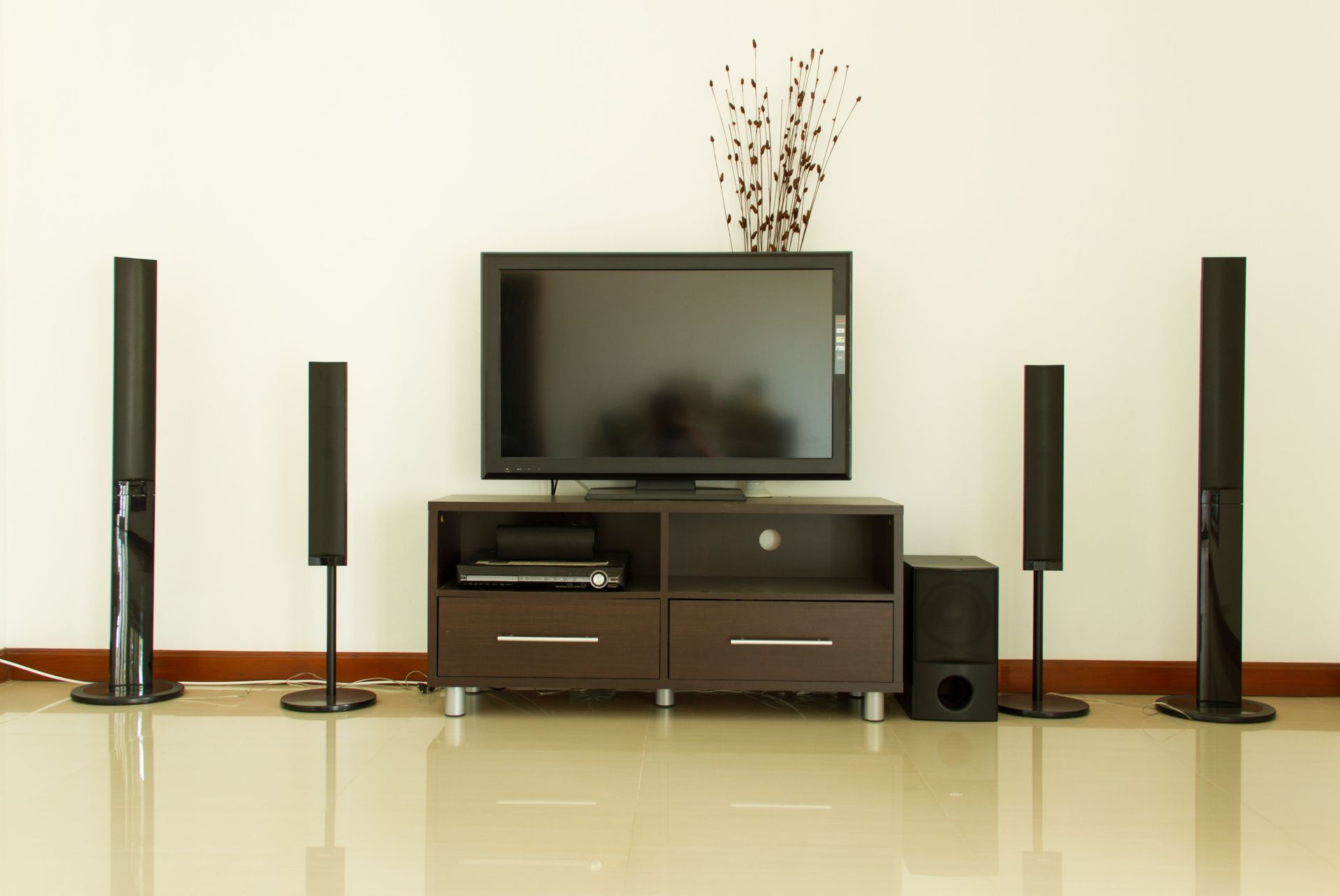
Conversely, densely populated urban centers throughout the Asia-Pacific region are experiencing rapid growth driven by rising middle-class populations. In these high-density spaces, developers utilize compact, high-efficiency media tech, such as advanced multi-channel soundbars and short-throw laser projectors, to deliver premium media performance without requiring massive physical space.
3. Core Technical Drivers and Streaming Synergy
The primary catalyst behind the current wave of hardware upgrades is the emergence of object-based audio systems, led by Dolby Atmos and DTS: X. Unlike legacy surround formats that assign sound to specific side speakers, object-based engineering treats audio elements as independent coordinates moving freely through a three-dimensional space. By utilizing dedicated in-ceiling speakers or upward-firing acoustic drivers, a modern home theater system wraps the listener in an immersive acoustic field that replicates real-world environments with incredible accuracy.
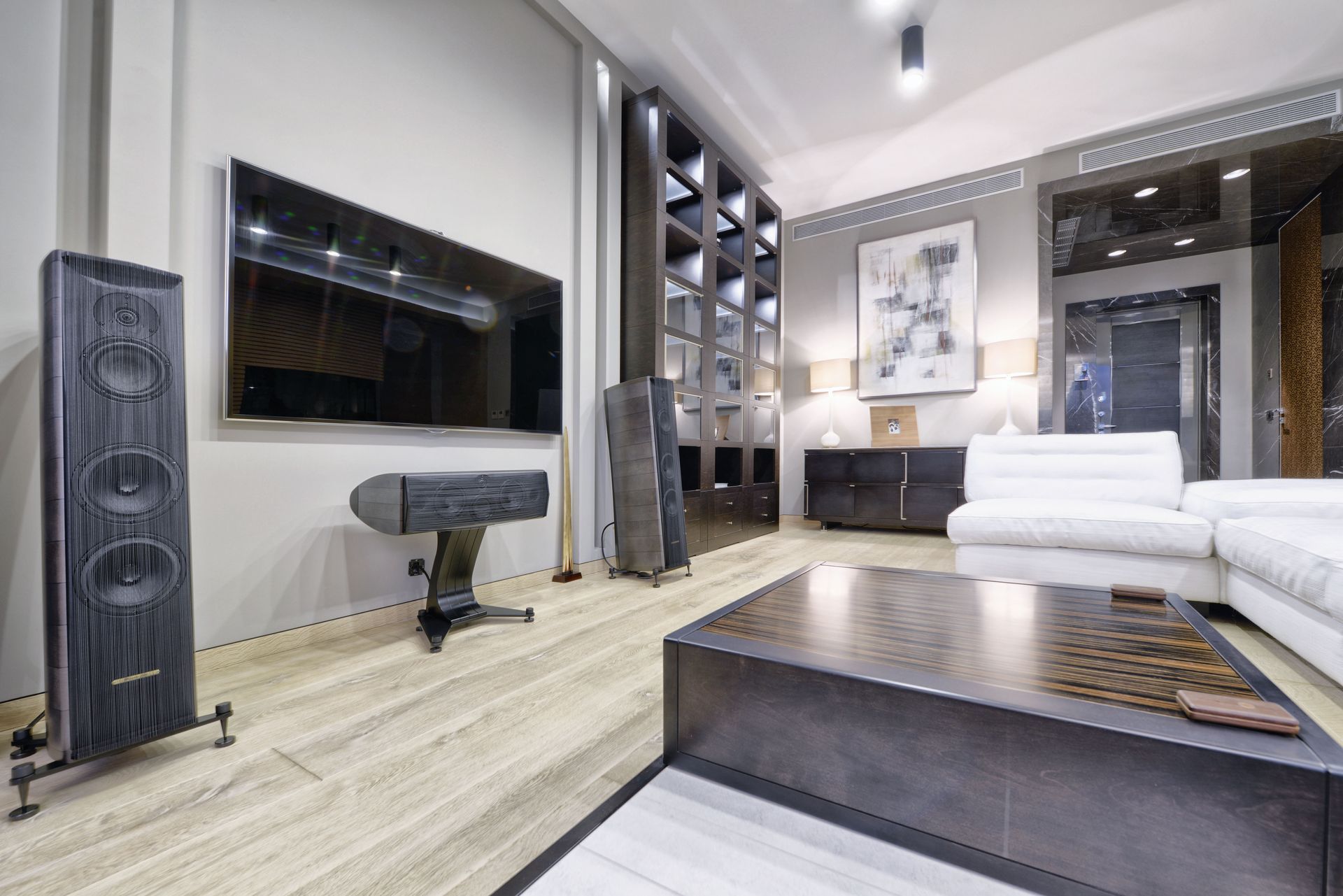
This audio performance is perfectly complemented by advancements in laser projection and micro-LED display technologies. High-lumen ultra-short-throw projectors allow users to generate crisp 120-inch displays from a console positioned just inches from the wall, removing the complex ceiling mounting and long cable runs associated with older equipment. These hardware options make it easier than ever for property owners to enjoy a premium, clean installation that blends seamlessly into multi-functional living spaces.
The Synergy of Cord-Cutting and Content Delivery
This hardware revolution runs in lockstep with the structural shift toward over-the-top (OTT) digital streaming platforms. As millions of households cancel traditional cable subscriptions, platforms like Netflix, Apple TV+, and Disney+ have become primary sources of high-bitrate 4K content encoded with spatial audio metadata.
Hardware manufacturers design their smart TV operating systems to integrate smoothly with these streaming networks, ensuring users can access ultra-high-definition media with zero configuration friction. This direct link between content creators and advanced playback systems ensures that consumers receive a continuous return on their equipment investment.
4. Lifestyle Transformations and Physical Barriers
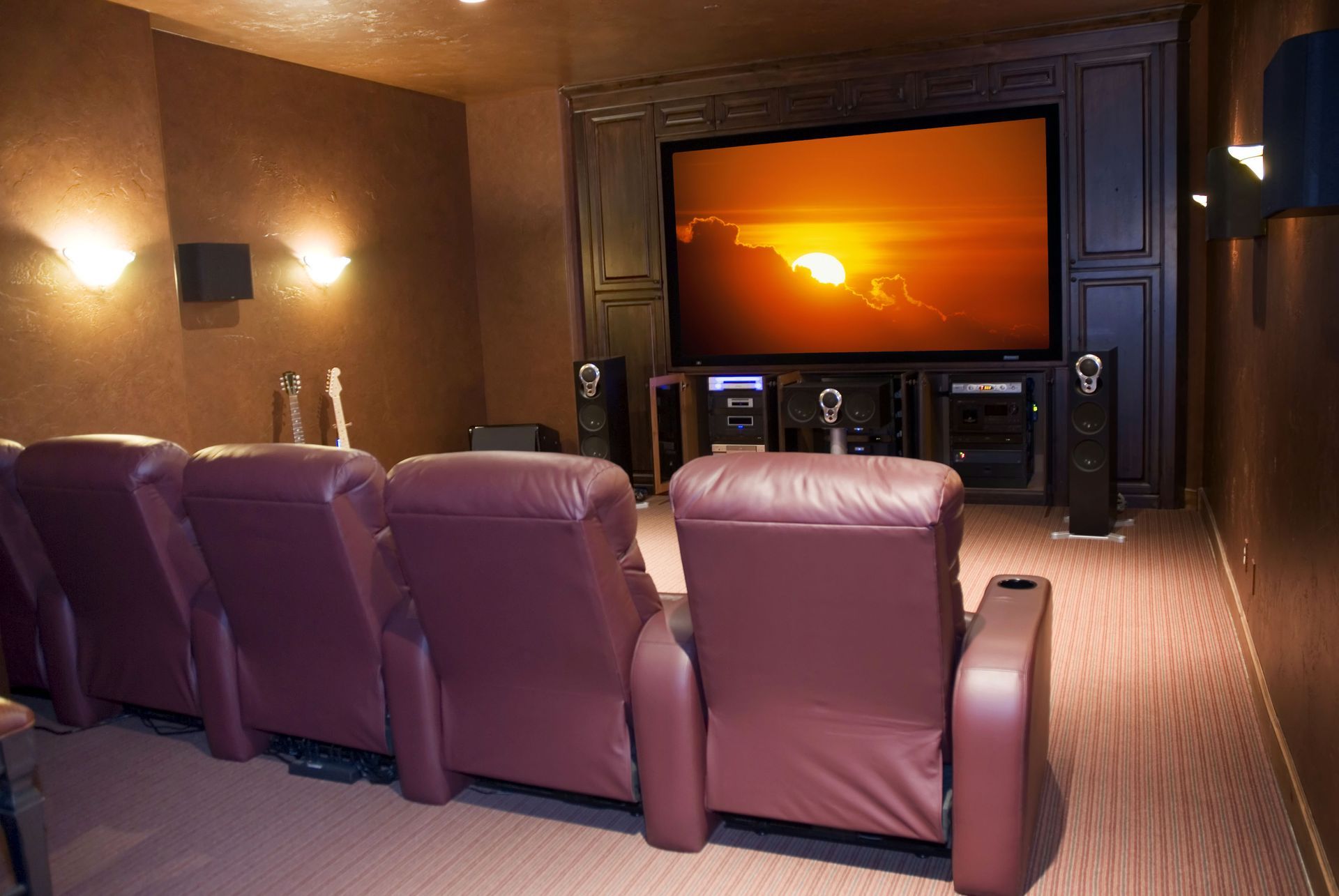
The widespread availability of high-performance audio-visual equipment has fundamentally reshaped modern lifestyle habits and interior design priorities. Dedicated media rooms and optimized entertainment spaces have become common features in residential floor plans, transforming how families interact during their leisure time. This "stay-at-home" viewing culture delivers notable long-term cost savings compared to frequent outings to public theaters, allowing families to enjoy premium entertainment within a comfortable, controlled setting.
Despite strong market demand, several logistical barriers can restrict broader consumer adoption. High-end components—such as discrete amplifiers, premium architectural speakers, and high-performance screens—require a significant initial capital investment.
Additionally, setting up a true multi-channel layout involves a clear technical learning curve regarding room acoustics, speaker placement, and component synchronization. In dense urban apartments, physical space limitations and potential noise bleed through thin shared walls present ongoing challenges, forcing manufacturers to design innovative, compact acoustic enclosures and targeted wireless sound isolation systems.
The global expansion of advanced home theater systems highlights a permanent shift in consumer expectations, successfully uniting the private comfort of residential living with the grand scale of commercial cinema. Driven by breakthroughs in object-based spatial audio, high-contrast display panels, and high-bitrate streaming integration, the demand for immersive entertainment systems continues to climb across both private households and forward-thinking hospitality venues. By analyzing their unique space constraints, acoustic environments, and long-term entertainment needs, property managers and homeowners can smoothly transform standard rooms into vibrant, multi-season media pavilions.
When designing a premium home theater entertainment environment, relying on unvetted retail packages or poor DIY wiring configurations often results in muddy acoustics, distorted video signals, and frustrating component desynchronization. Achieving flawless, cinema-quality performance demands precise spatial calibration, balanced power conditioning, and master-level component integration. To transform your architectural blueprints into an elite acoustic and visual masterpiece that performs beautifully year after year, partner with the certified home theater design and installation specialists at Kazoo Audio.